Tashkent Hosts Fiscal Dialogue with Experts and Media Representatives
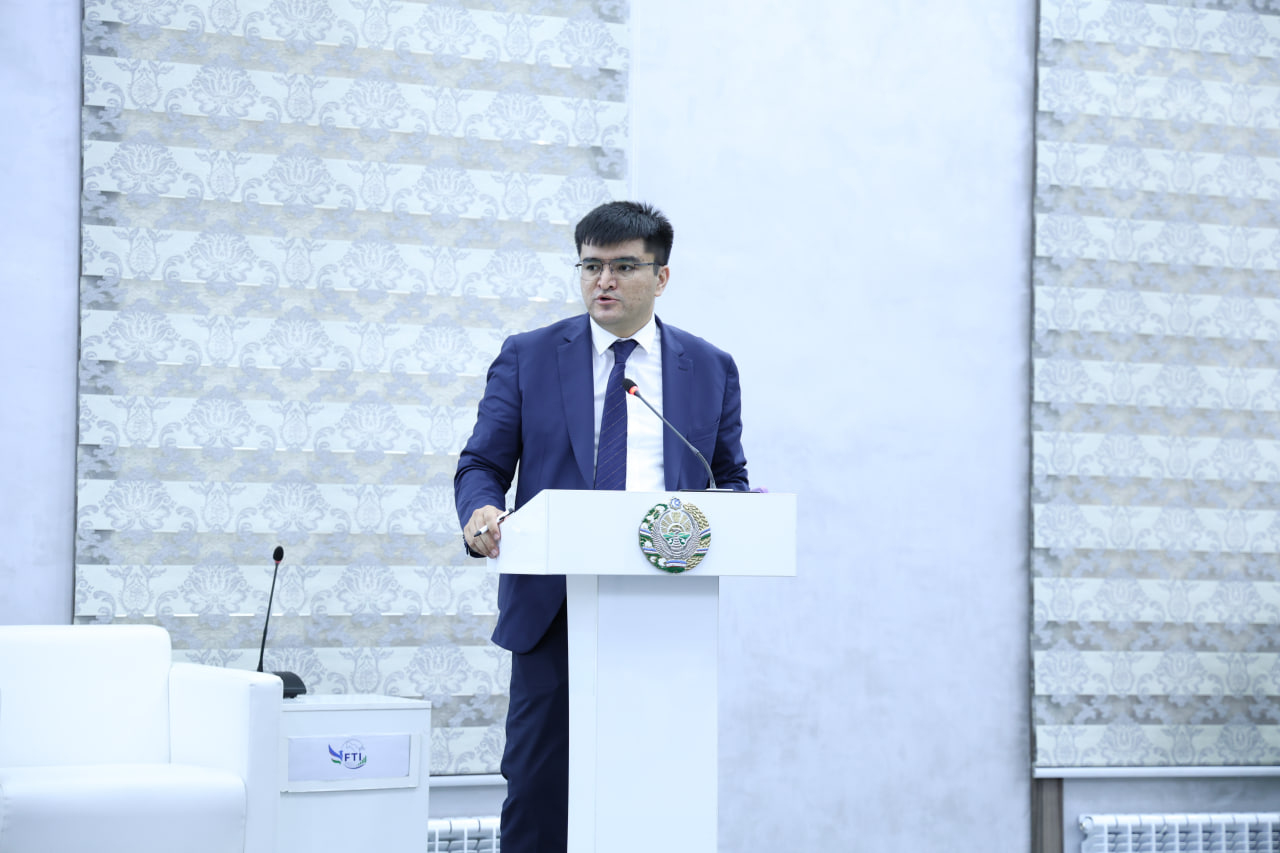
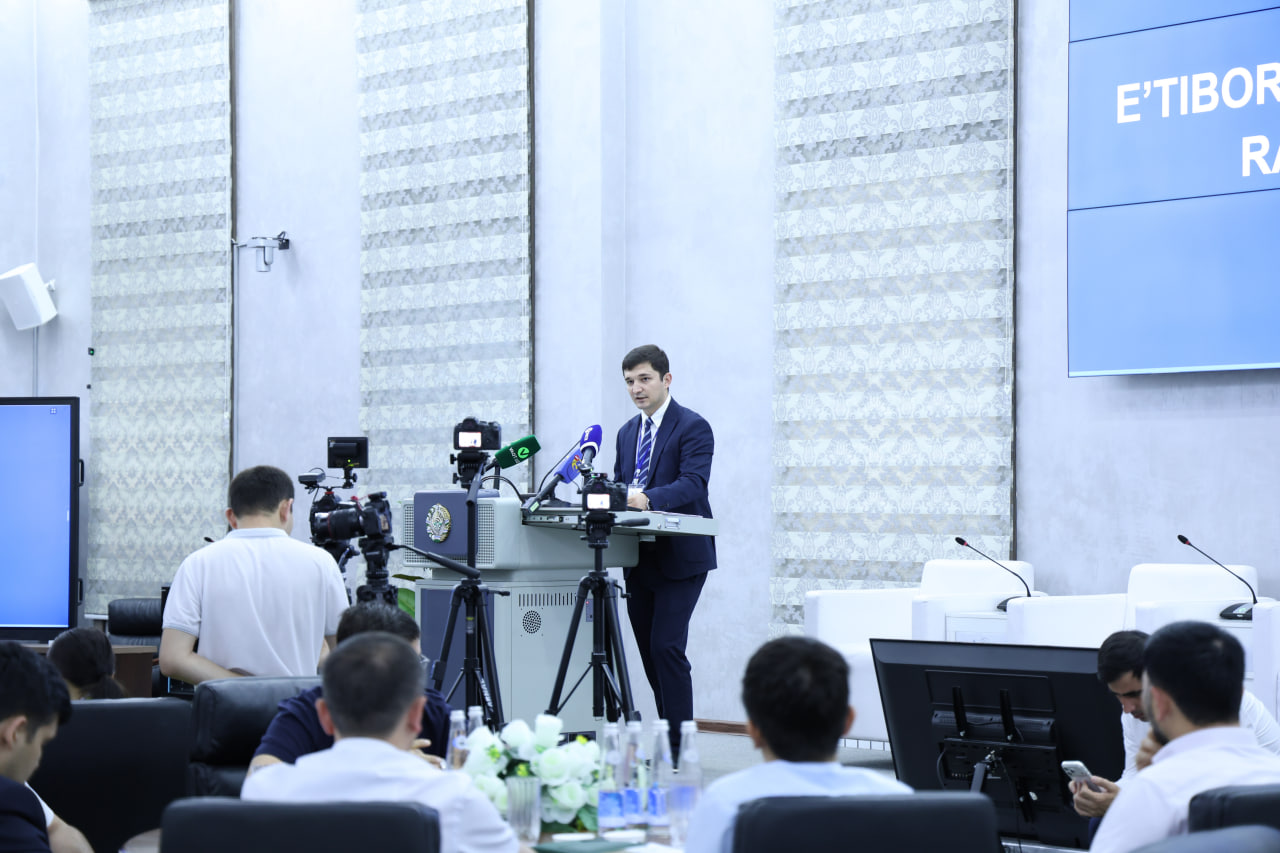
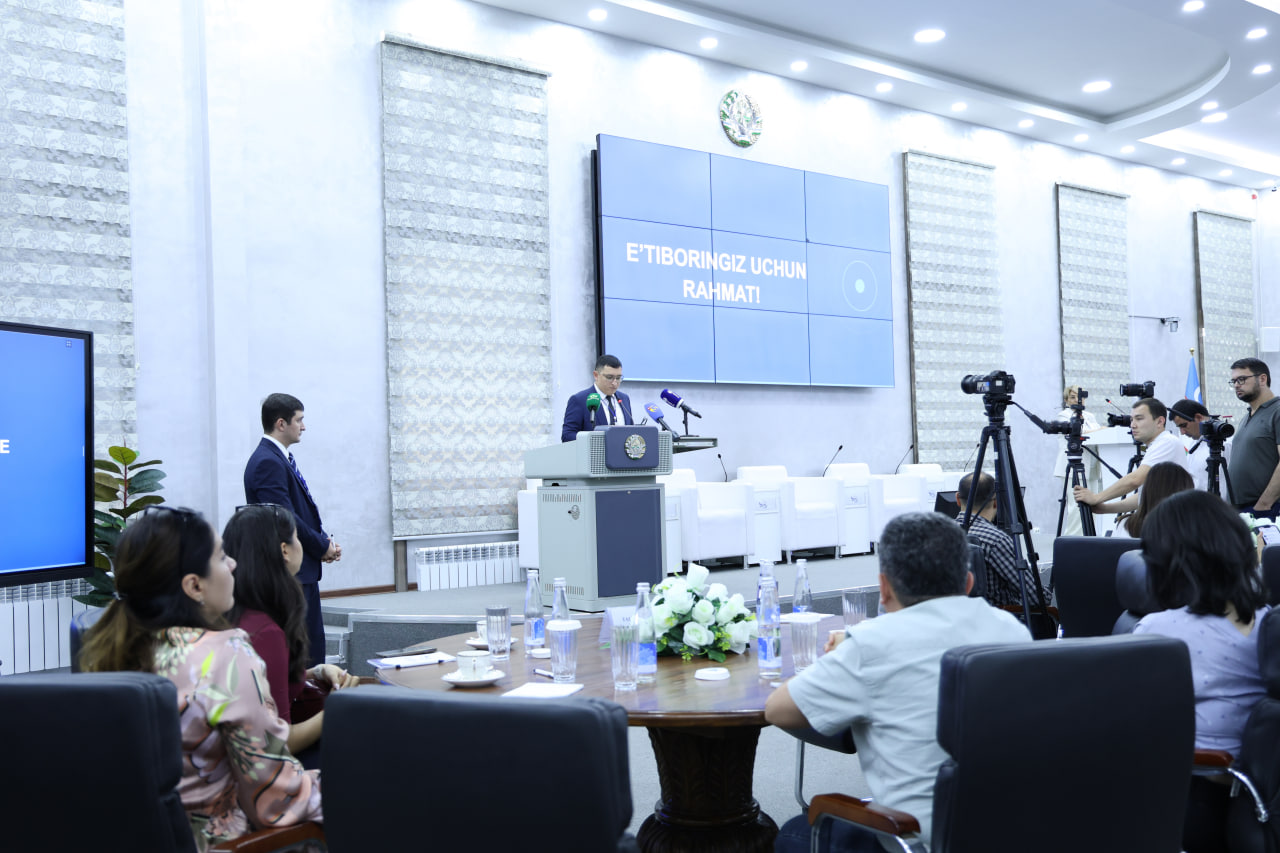
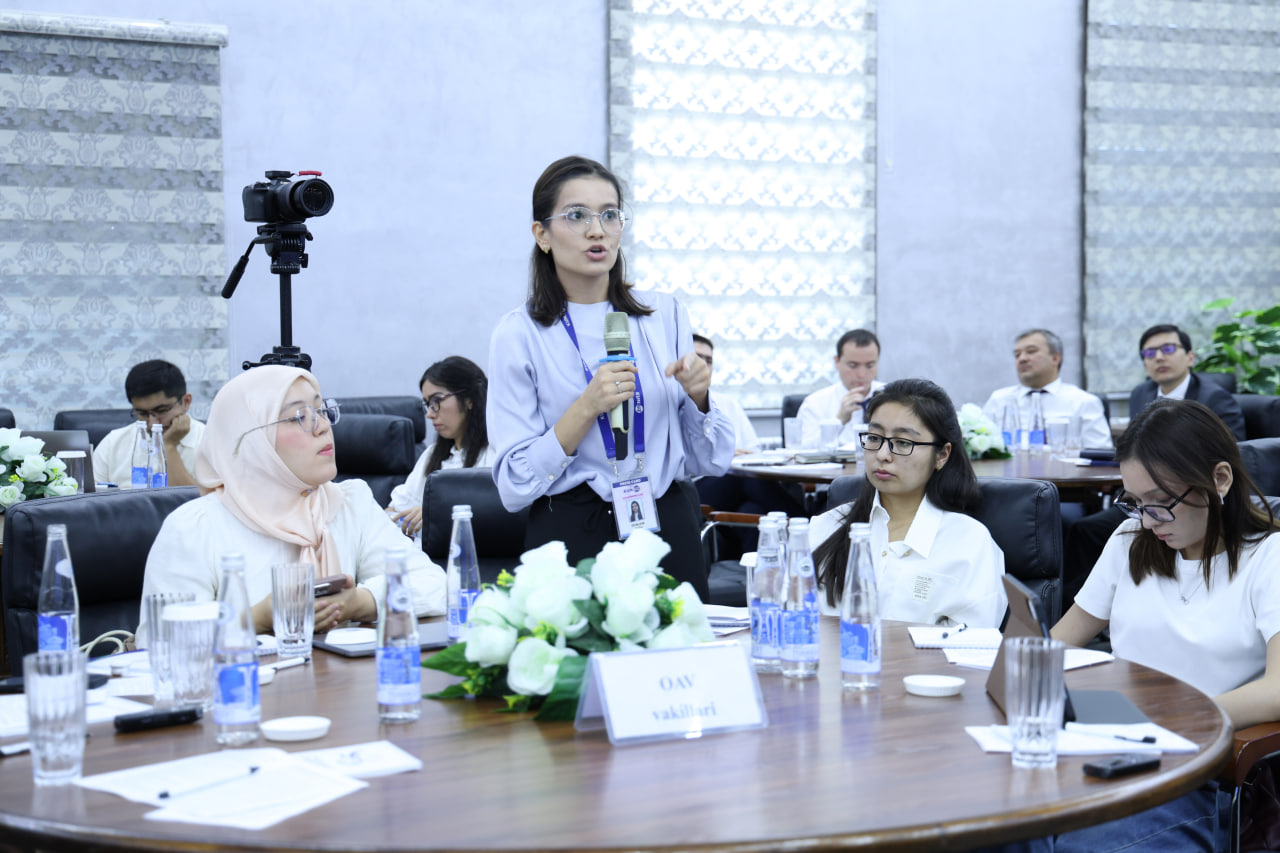
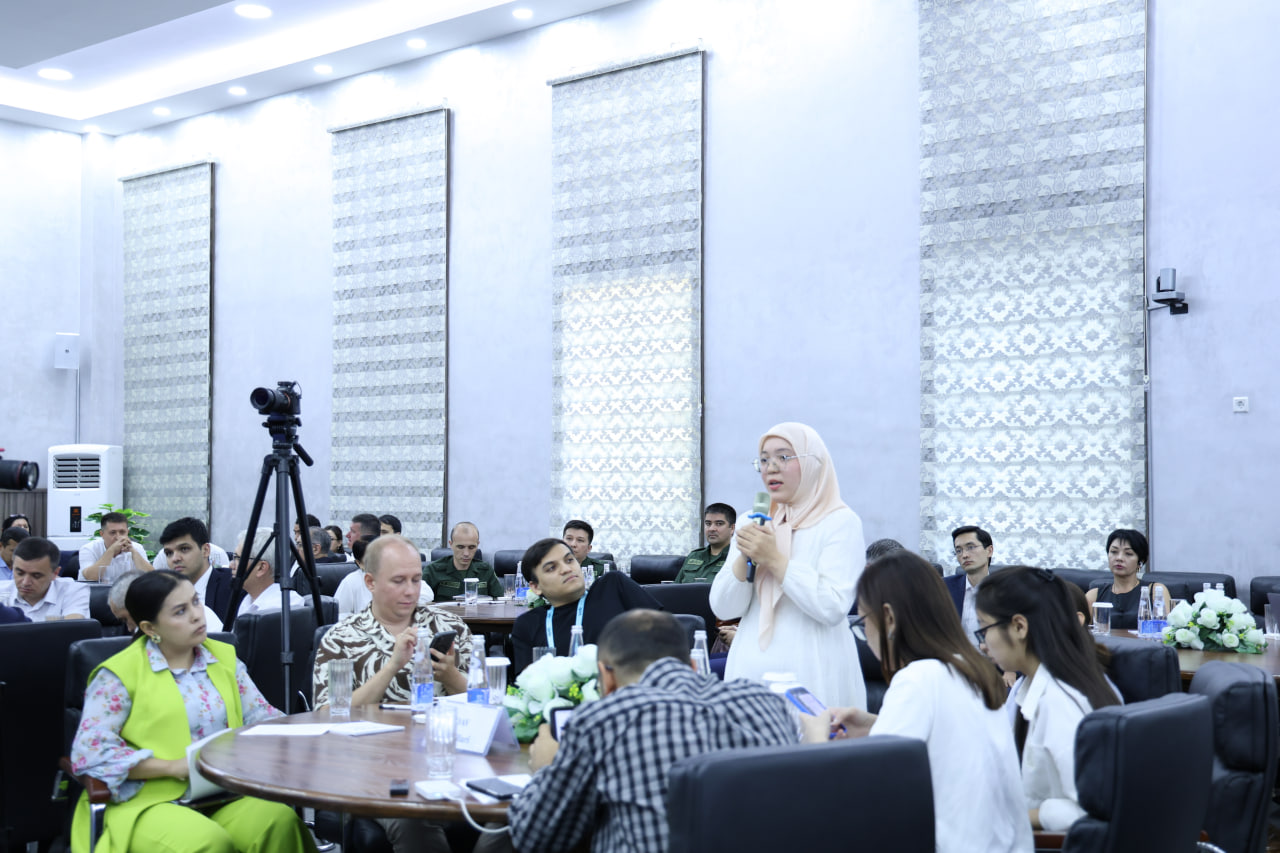
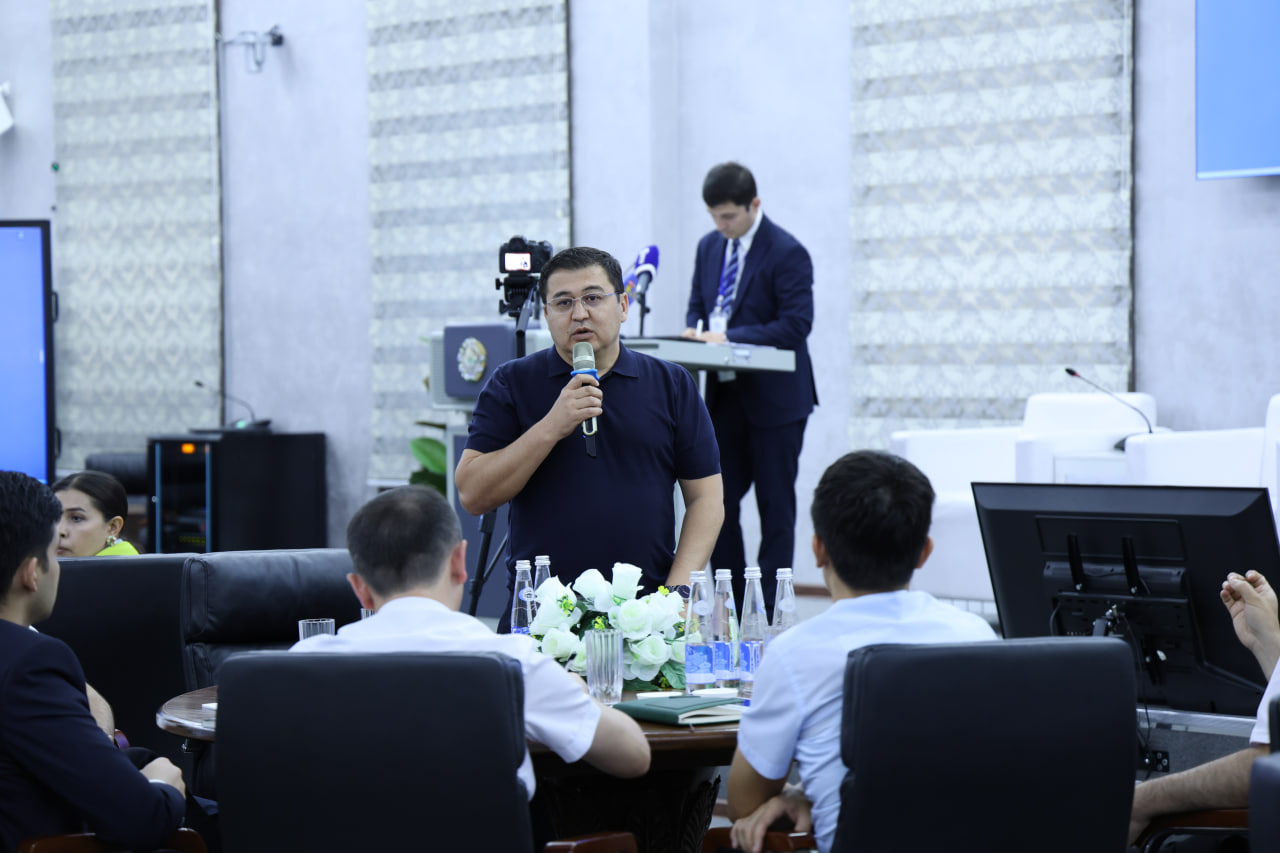
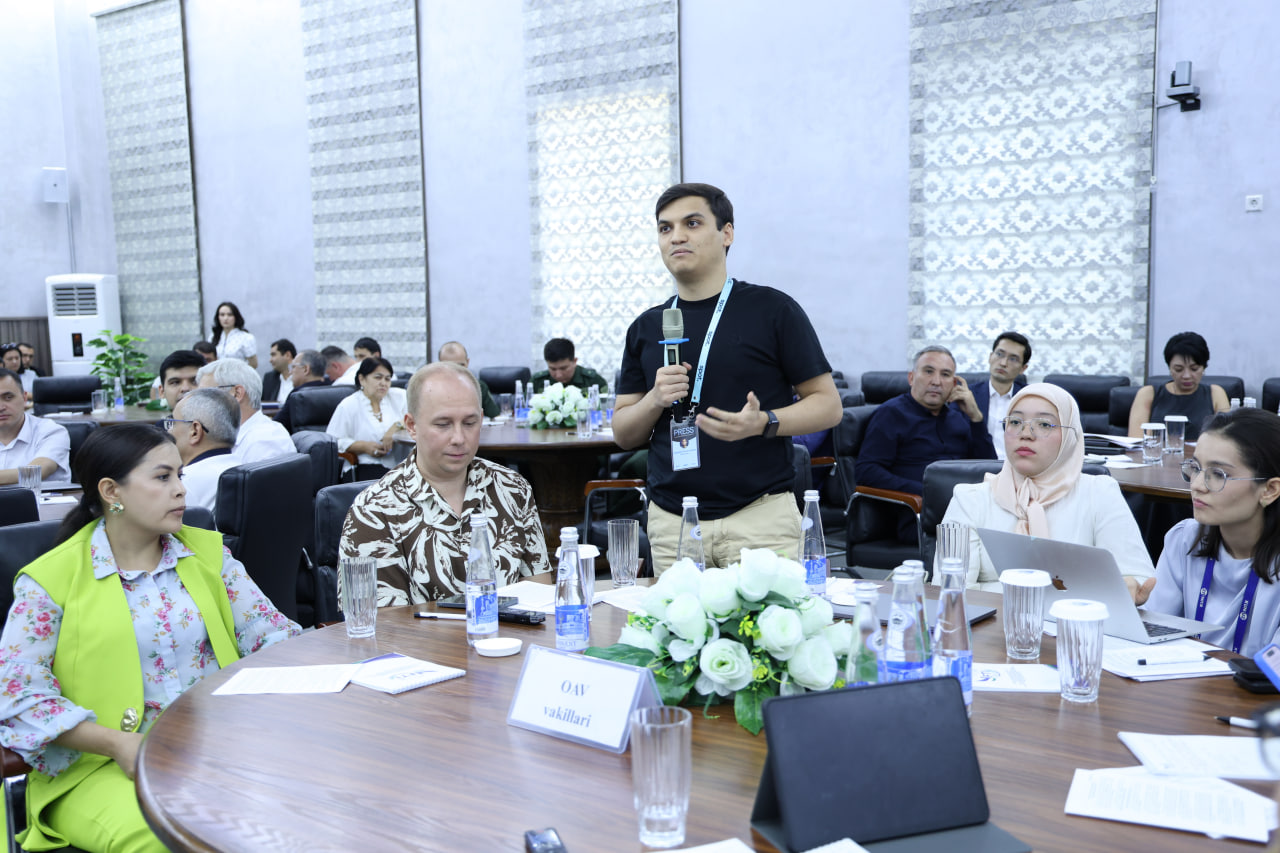
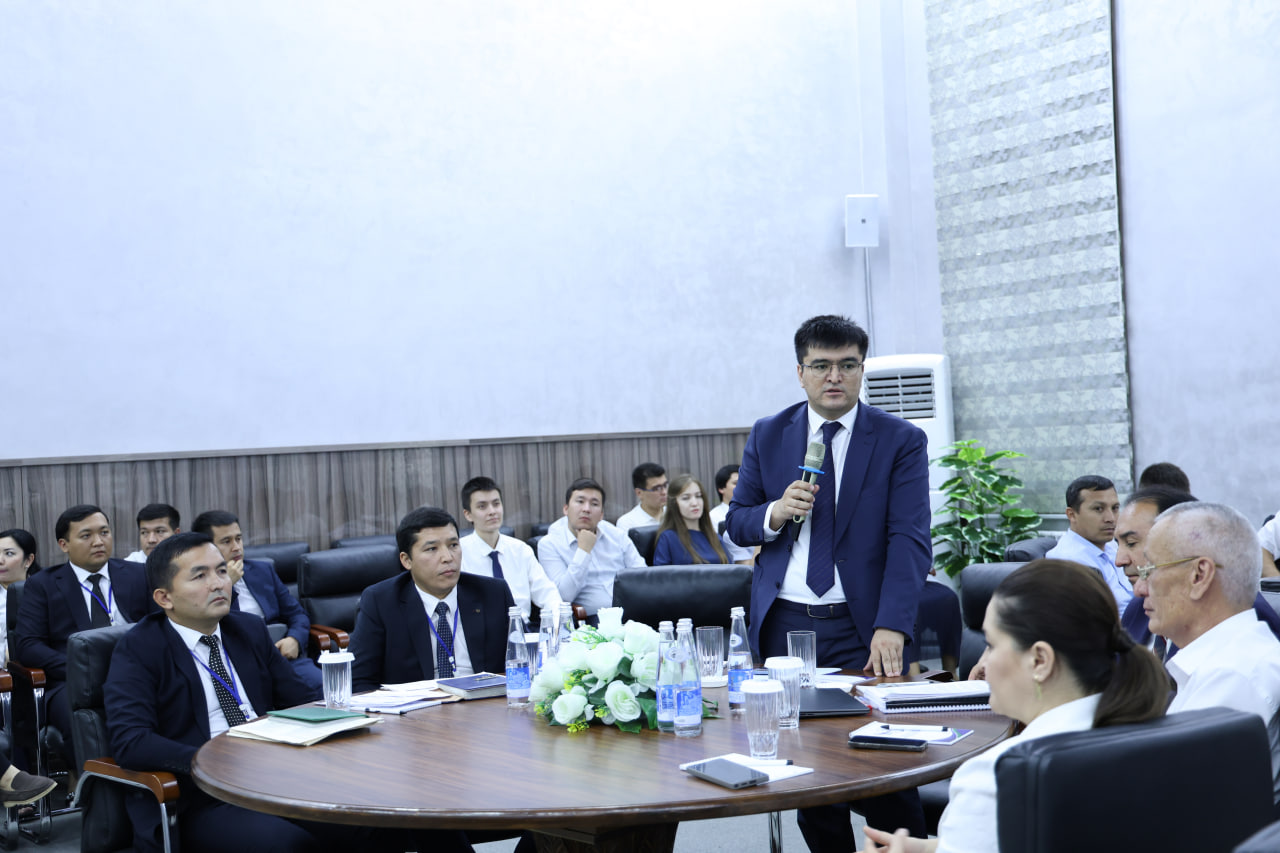
On 30 July 2026, the Institute for Reducing the Shadow Economy, Improving Tax and Customs Administration, and Fiscal Analysis under the Ministry of Economy and Finance of the Republic of Uzbekistan hosted another Fiscal Dialogue, bringing together representatives of government agencies, the academic and expert community, and the media.
During the event, the Institute's experts presented the preliminary results of their analysis of tax and customs incentives, as well as policy proposals aimed at improving Uzbekistan's fiscal policy.
1. Tax Expenditures and the Effectiveness of Tax Incentives
According to the Institute, the total value of tax and customs incentives amounted to UZS 178.2 trillion in 2025, representing an increase of 31.2 percent compared to UZS 135.8 trillion in 2024. The largest share of these incentives relates to value-added tax (VAT), amounting to UZS 114.6 trillion, or 64 percent of the total.
One of the central topics of the discussion was the distinction between tax incentives and tax expenditures. It was emphasized that, from an economic perspective, not every tax incentive should be regarded as a tax expenditure, as some are inherent elements of the benchmark design of the tax system.
According to the Institute's assessment, around 85 percent of the announced VAT incentives—including the zero rate on exports and exemptions for financial and insurance services—form part of the benchmark tax system and therefore should not be classified as tax expenditures in the strict sense.
Participants noted that the systematic identification and measurement of tax expenditures is essential for determining the actual volume of public resources redistributed through the tax system and for reviewing incentives that fail to deliver the expected economic, fiscal, or social outcomes.
The Institute is currently developing a methodology for evaluating the effectiveness of tax incentives based on their impact on economic growth, employment, and regional development. It was also proposed that exemptions from customs duties should be introduced and amended exclusively through the Customs Code, thereby improving the predictability and transparency of customs tariff policy.
2. Improving Fiscal Policy
The Institute presented a proposal to establish specific land tax and excise tax rates in absolute terms three years in advance.
Participants also discussed the gradual introduction of a progressive personal income tax system over the medium term, the application of reduced tax rates to passive (investment) income, the unification of the corporate income tax rate by reducing the higher 20 percent rate applicable to certain categories of taxpayers to 15 percent, and the harmonization of tax treatment for individual entrepreneurs and self-employed persons.
According to the Institute's estimates, automating VAT refund procedures, concentrating tax administration on high-risk taxpayers, and strengthening taxpayer confidence could increase VAT C-efficiency—an internationally recognized indicator of VAT collection performance—from 57 percent to the target level of approximately 63 percent, generating up to UZS 5 trillion in additional annual budget revenues.
The possibility of expanding the VAT base through a review of selected tax incentives in the financial services sector was also discussed.
In the area of fiscal policy, particular emphasis was placed on improving the targeting of budget subsidies. It was noted that certain forms of government support, particularly in the heating and public transport sectors, are currently concentrated primarily in the capital city. A more targeted allocation of public resources would strengthen support for the regions, including through wider use of gross-cost contracts in rural areas and improved mobility for the population.
The transfer of UZS 23 trillion to the Pension Fund planned for 2026 was discussed in the context of the high level of informal employment and the weak link between future pension benefits and social tax contributions.
According to the Institute's calculations, formalizing the employment of one million workers earning UZS 2 million per month would significantly increase Pension Fund revenues and reduce transfers from the State Budget. The resulting fiscal savings would be comparable to the cost of constructing nearly 100 schools.
Participants also discussed measures to improve the minimum wage system, including the introduction of an hourly minimum wage and the possibility of higher sector-specific minimum wages in industries with high levels of informal employment in order to strengthen the protection of workers' labour rights.
At the conclusion of the event, participants emphasized the importance of continuing the monitoring of tax incentives and jointly developing a methodology for assessing their effectiveness.
The Director of the Institute noted that the Fiscal Dialogue will continue to be held on a regular basis as an open expert platform, with future topics shaped by proposals from the business community and independent experts.