Articles

SPECIAL RENT TAX ON MINERAL EXTRACTION
Improving the Methodology for Assessing Household Healthcare Expenditure and Optimizing the Healthcare System
How Do Healthcare Expenditures Affect Poverty? A Gender and Regional Analysis

A new approach to assessing tax incentives: nominal indicators and real fiscal impact
Improving Tax Administration in the Republic of Uzbekistan: Challenges and Solutions
Improving Practical Mechanisms for Applying Environmental Criteria in the Public Procurement System of the Republic of Uzbekistan

VAT Revenue Performance and Fiscal Efficiency in Uzbekistan: An Analysis of Recent Tax Reforms
International Experience in Developing Budget Expenditures for State Asset Management within the Framework of Budget Programs
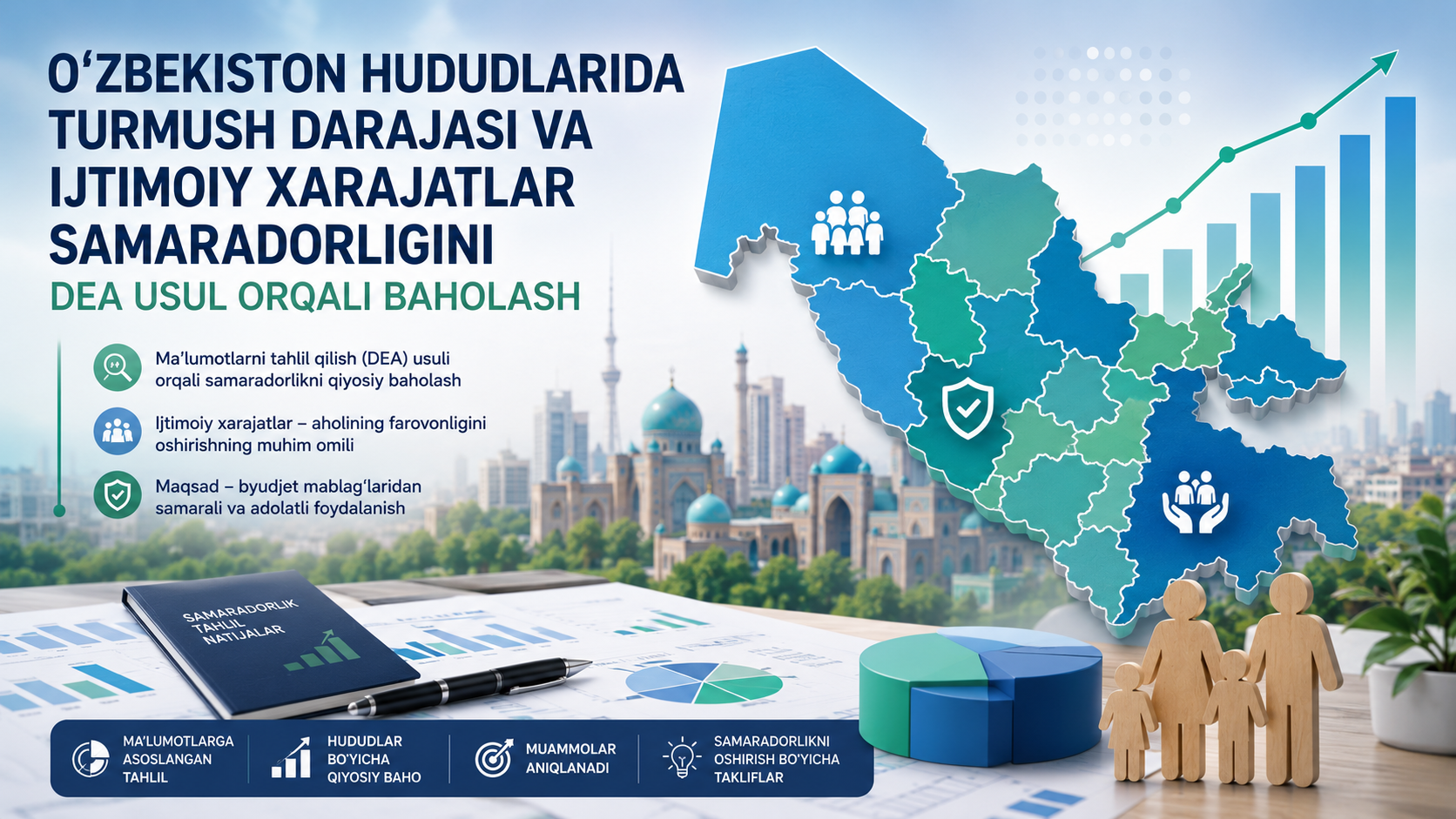
ASSESSMENT OF LIVING STANDARD AND SOCIAL EXPENDITURE EFFICIENCY IN THE REGIONS OF UZBEKISTAN USING THE DEA METHOD

The Openness Index and the Effectiveness of Anti-Corruption Efforts: An Institutional Analysis of Uzbekistan's Experience
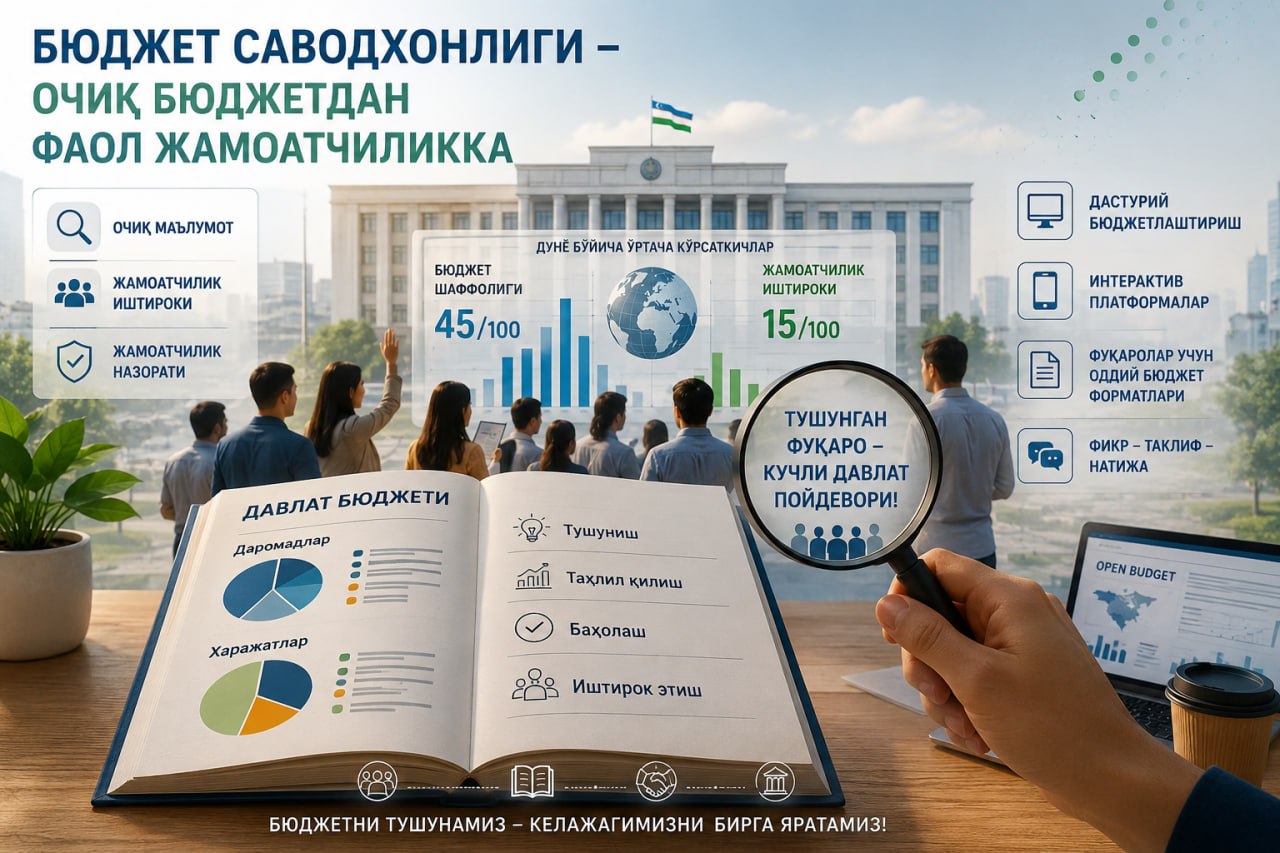
Budget Literacy as a Tool for Enhancing Public Participation

Mechanisms for reducing the shadow economy by increasing the financial literacy of the population.

The Importance of Improving Financial Literacy in Reducing the Shadow Economy and Enhancing Property Tax Payment Mechanisms
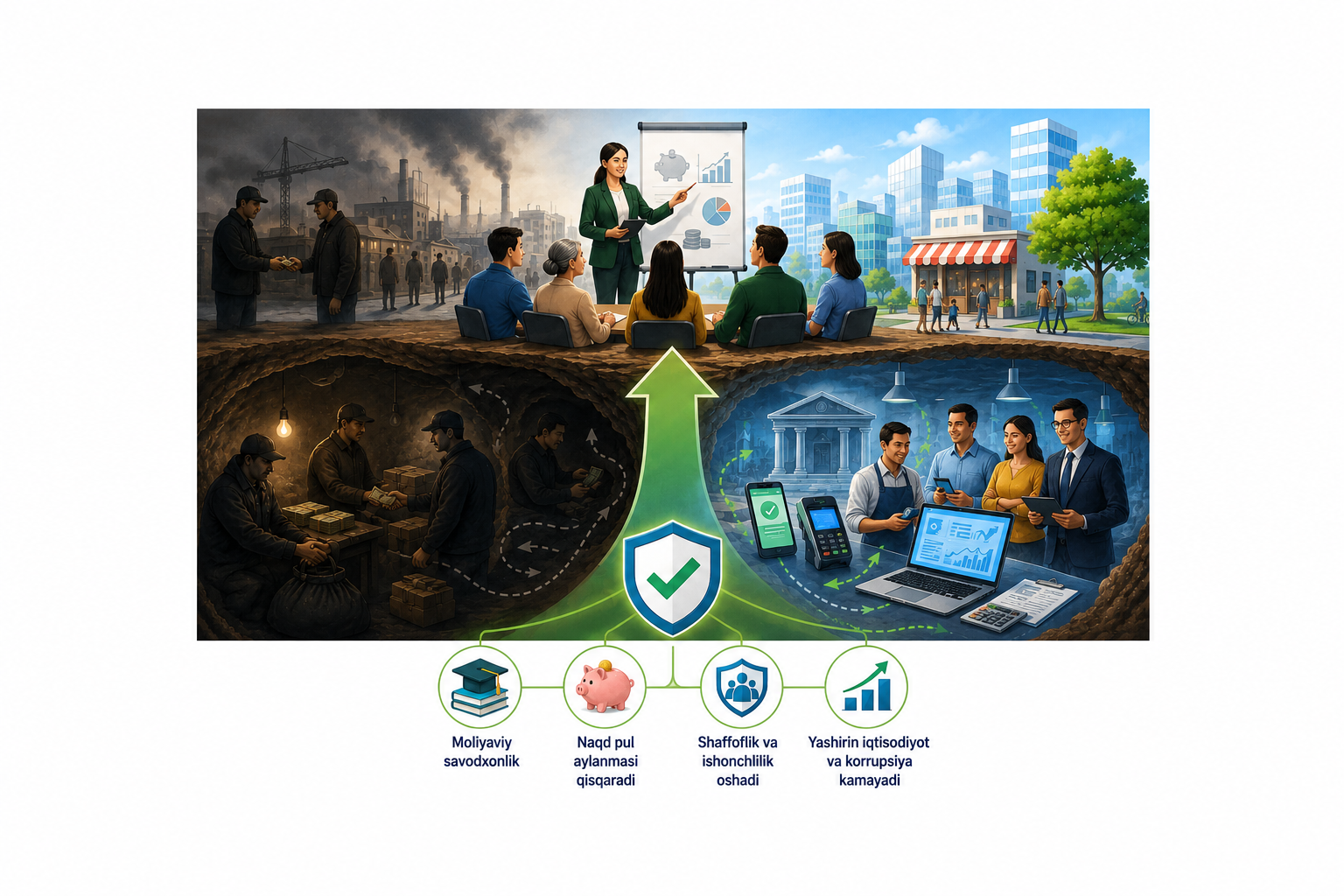
Does not knowing how to manage money strengthen the shadow economy?

The institutional significance of the digital money system in combating corruption and the shadow economy

The role of program-based budgeting mechanisms in ensuring state financial security

Mobile tax and accounting systems in small business legalization: advanced foreign experience and prospects for Uzbekistan
Increasing the efficiency of economic mechanisms – an important factor in reducing the shadow economy

Can tax administration defeat the shadow economy?